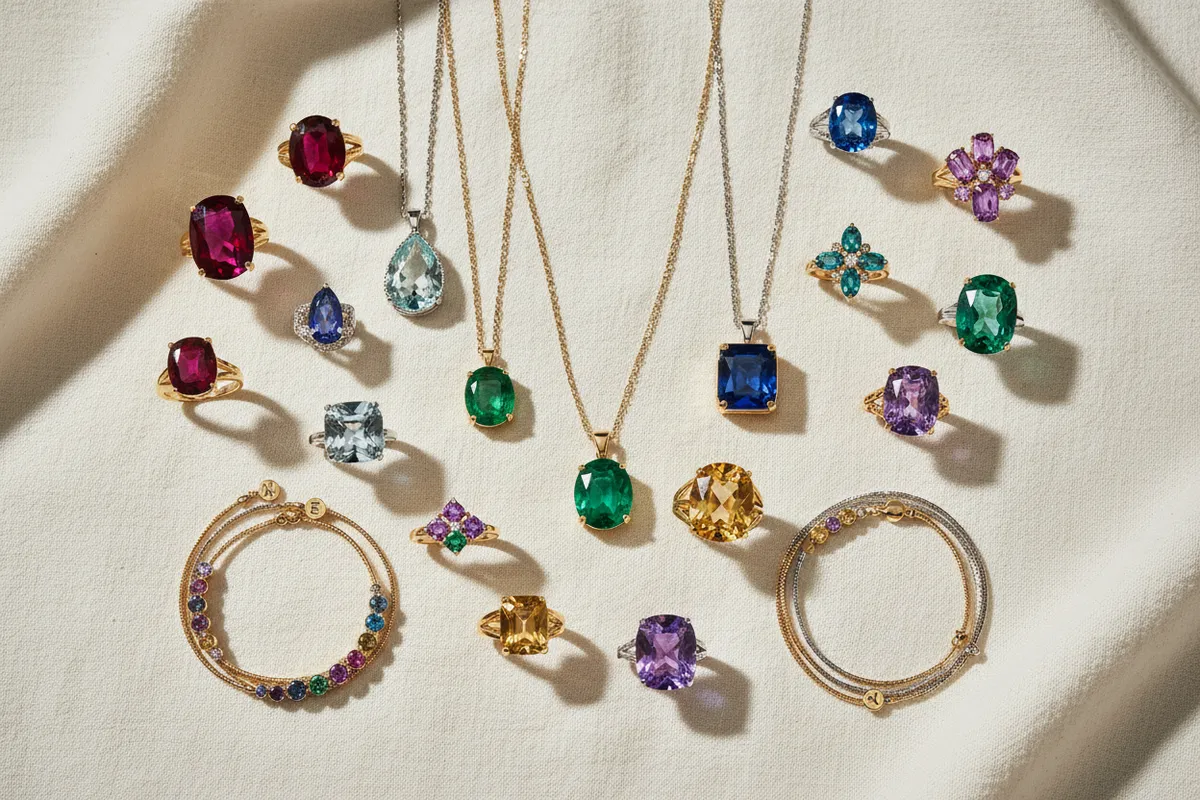
A birthstone carries a date without needing to state it. Set into gold or looped around a chain, the stone points backward, to a month, a year, sometimes a hospital room where someone first drew breath.
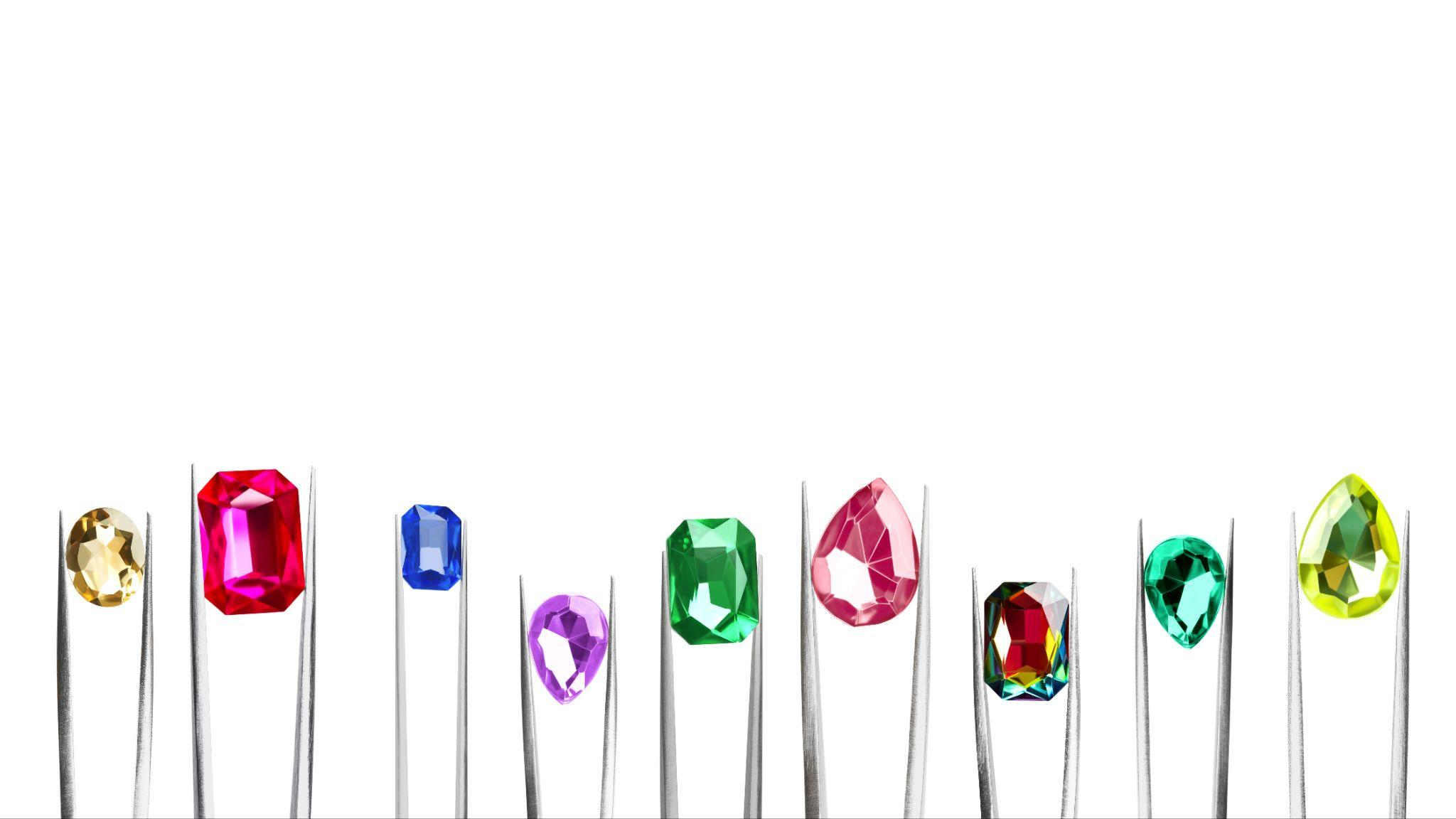
This guide moves through the practical side of birthstone jewelry as a gift: which stone belongs to which month, which forms suit which relationships, how multiple stones sit together in one setting, and how a household in New Albany, Indiana finds pieces built to last decades rather than seasons.
Birthstones by Month
Some months carry more than one accepted stone, a legacy of older and newer gemological lists running side by side, which leaves room to choose based on color preference as much as tradition.
- January: garnet
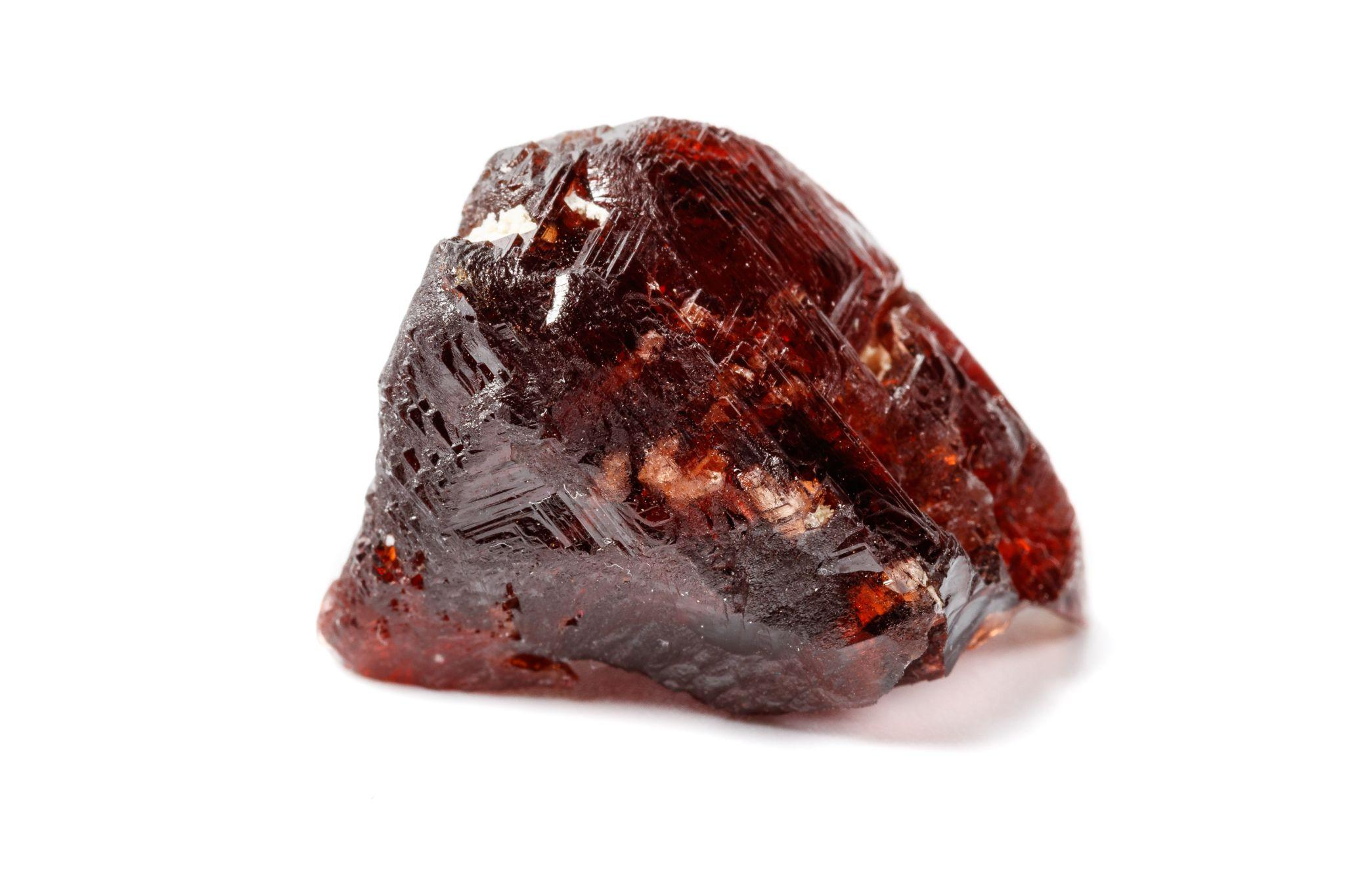
- February: amethyst
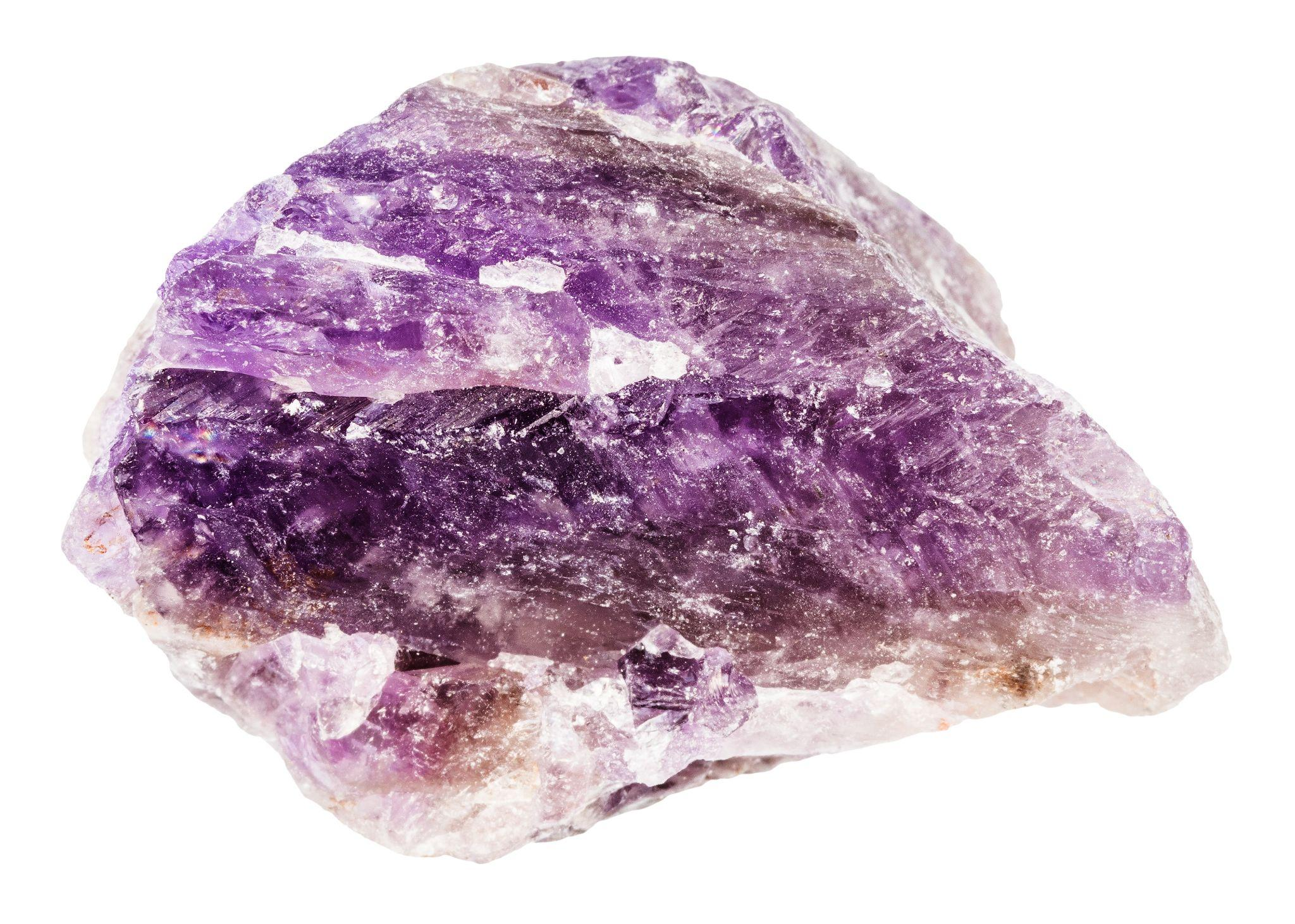
- March: aquamarine
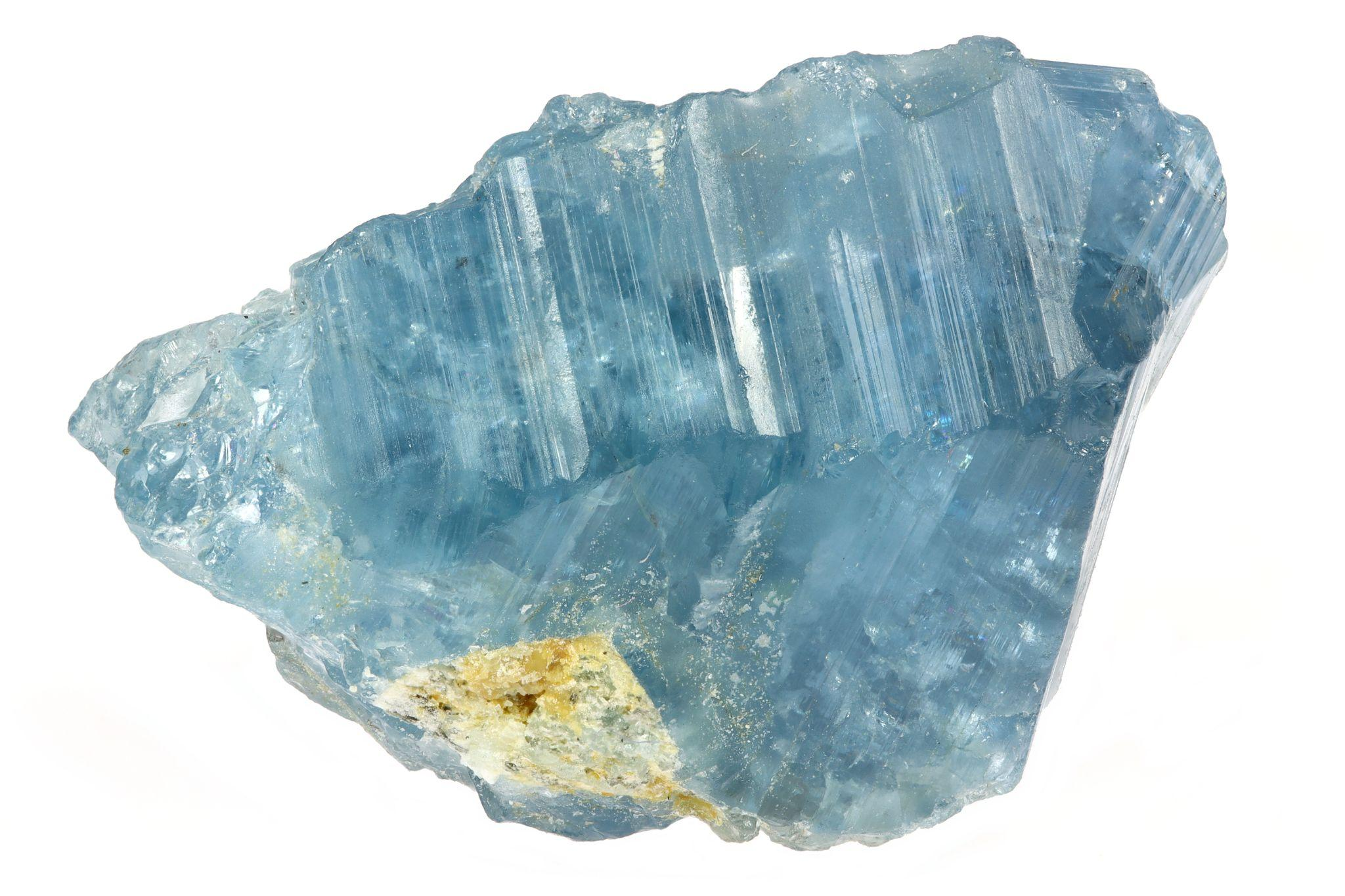
- April: diamond
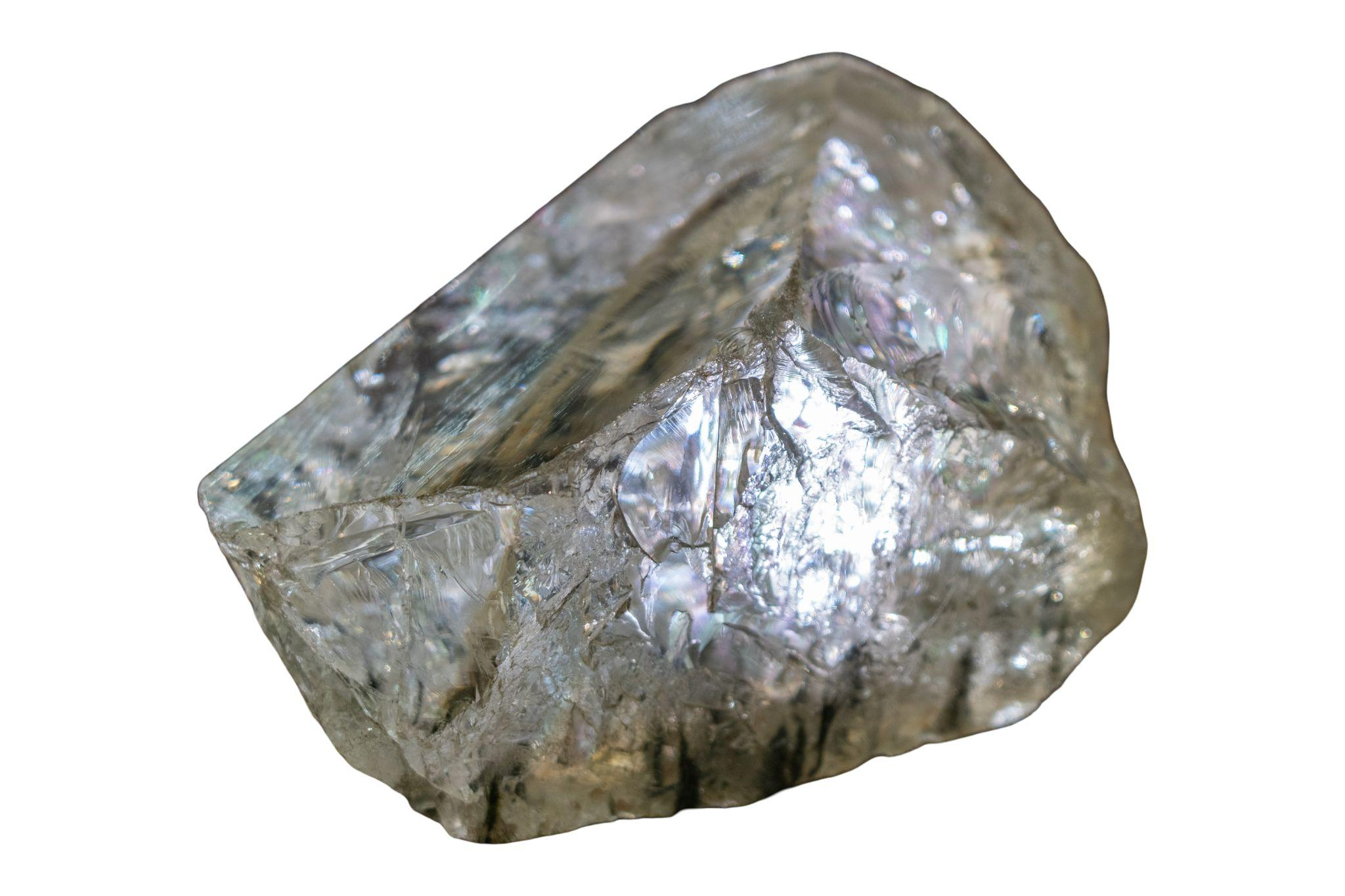
- May: emerald
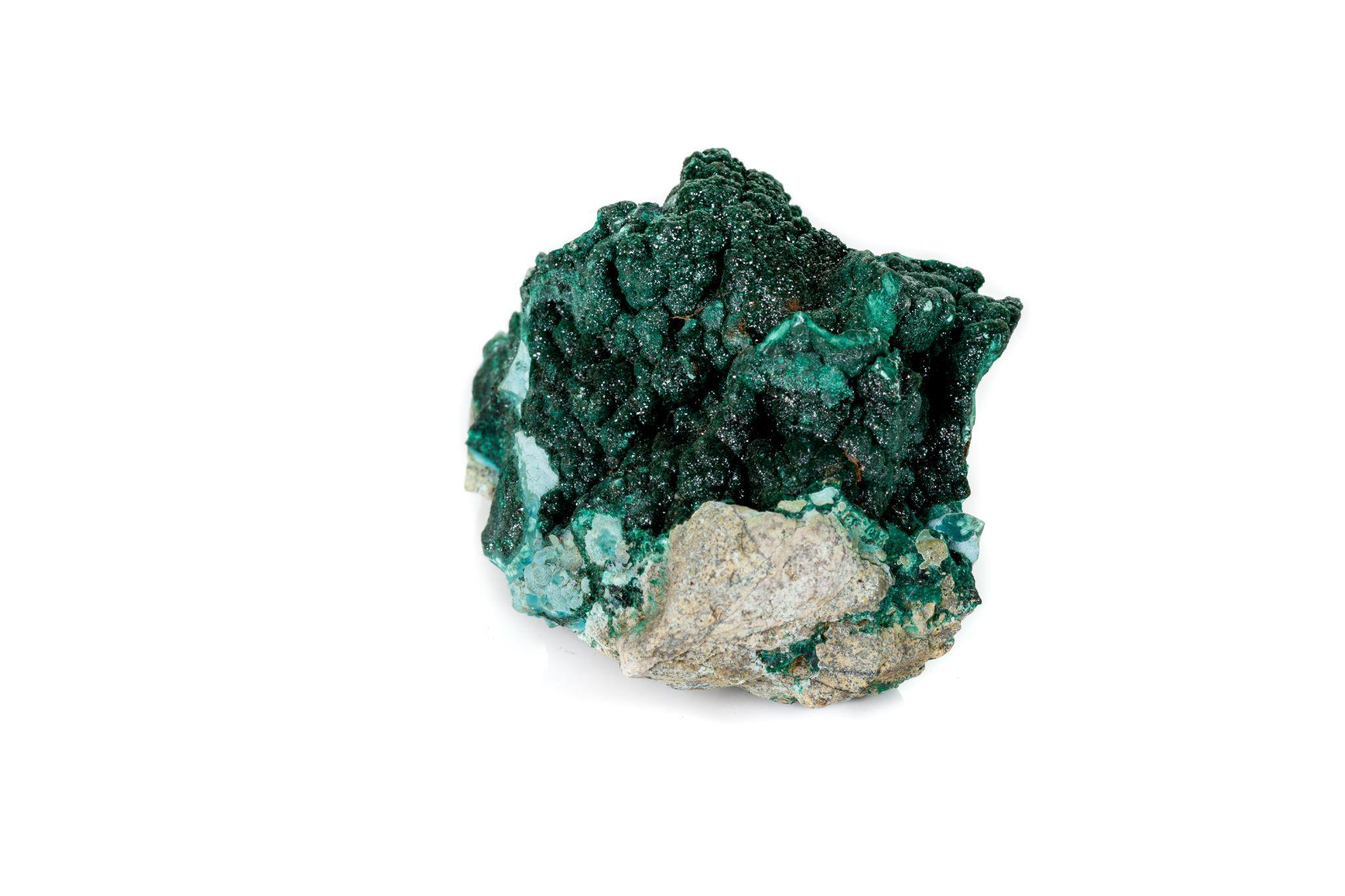
- June: pearl or alexandrite
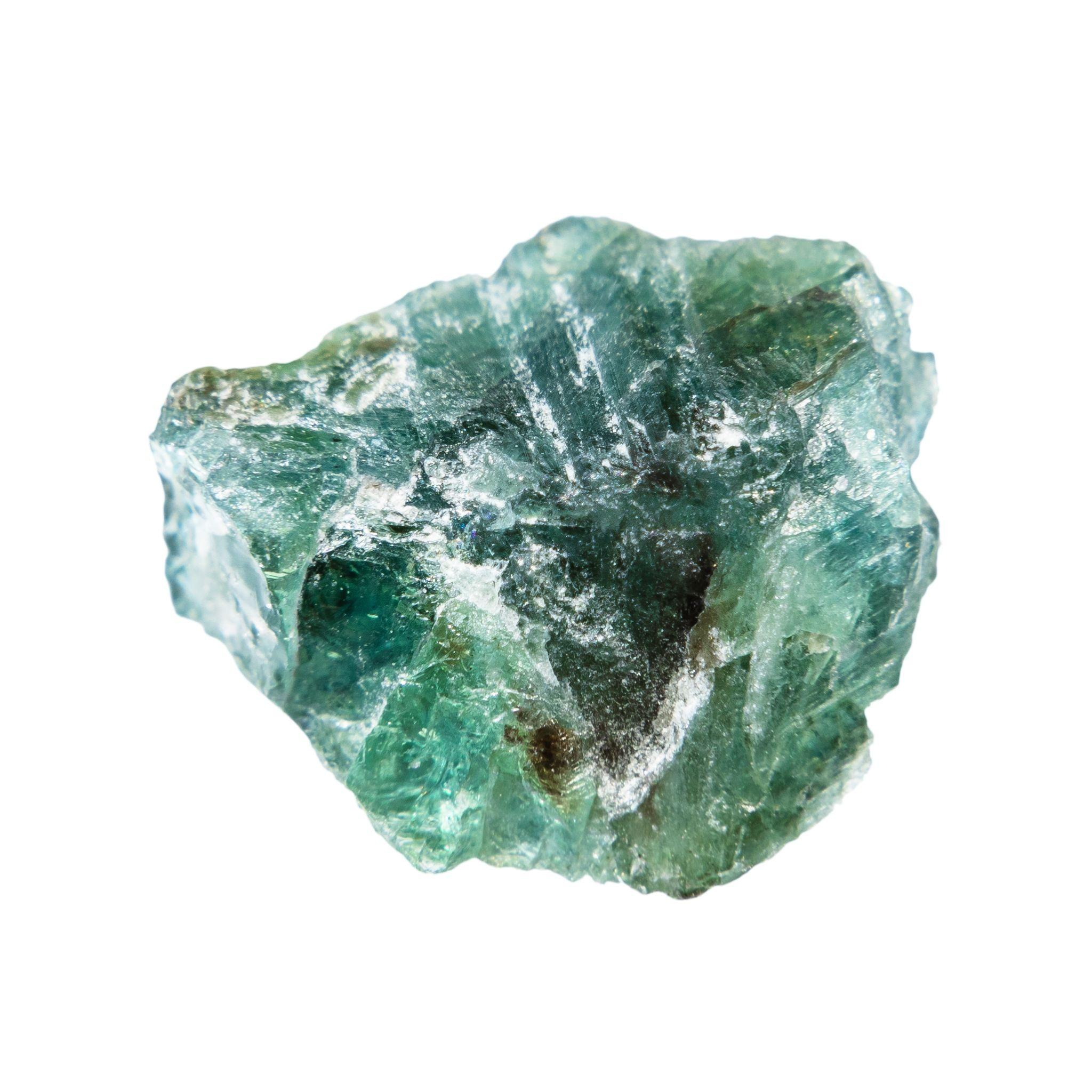
- July: ruby
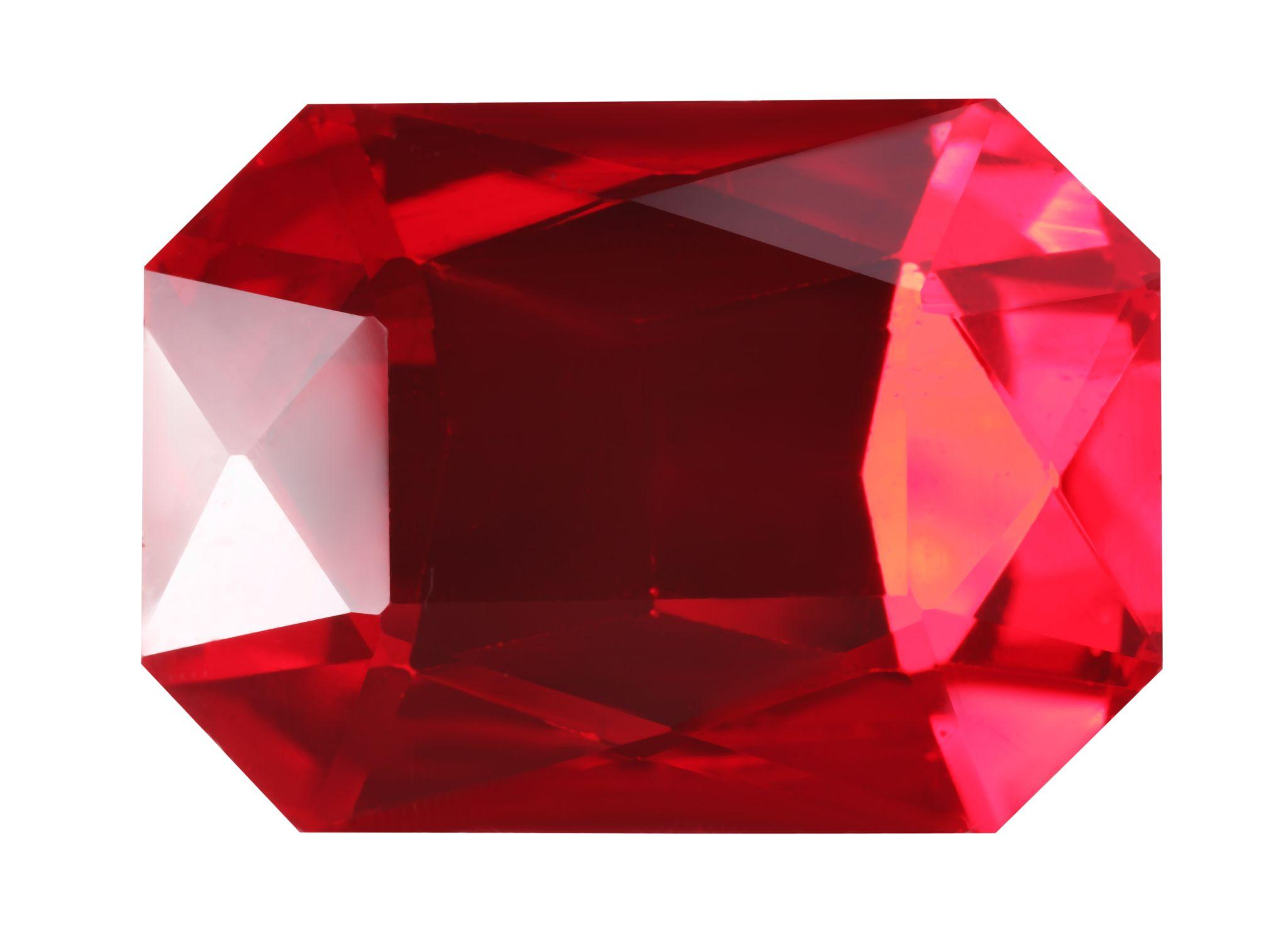
- August: peridot
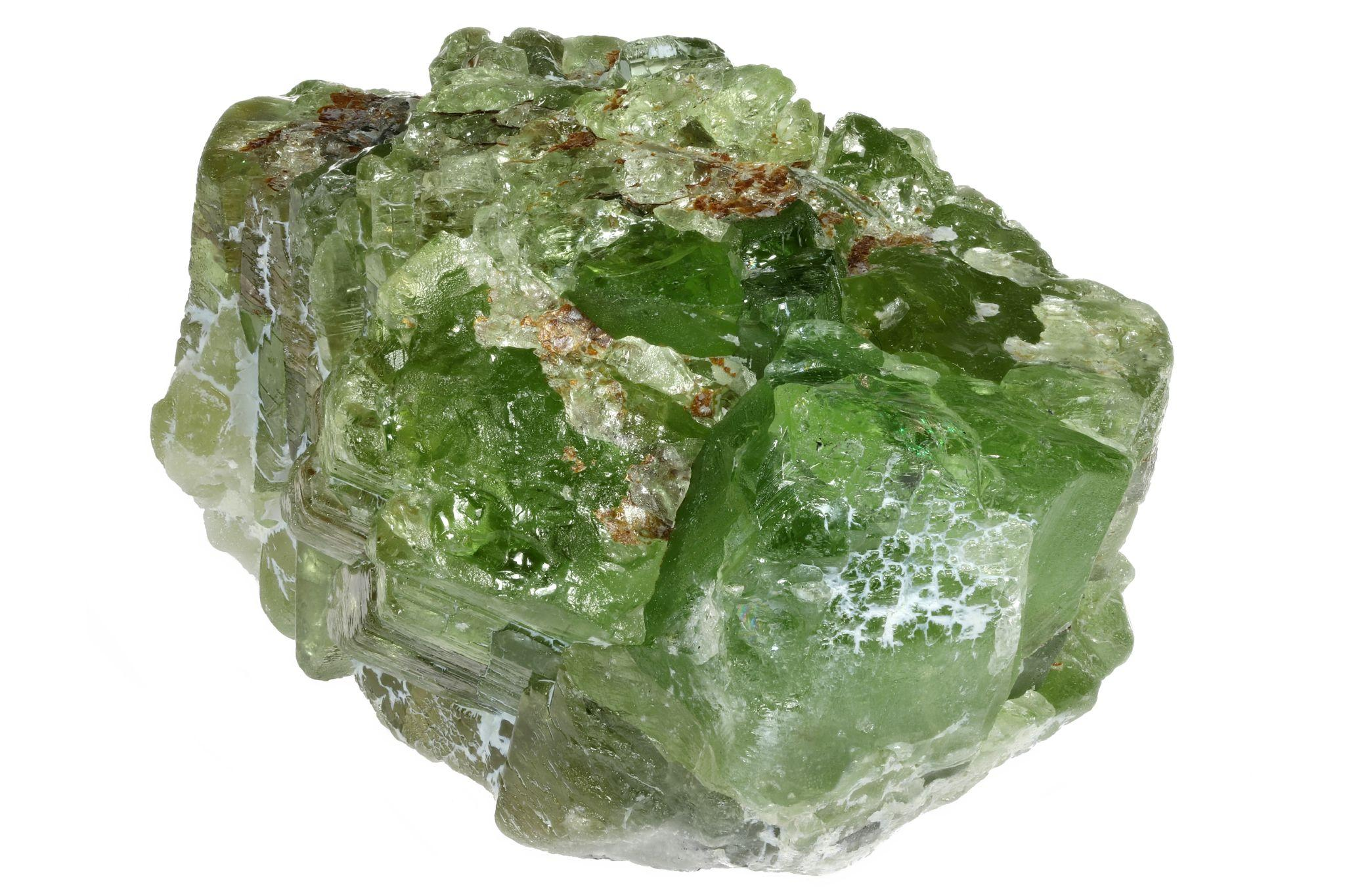
- September: sapphire
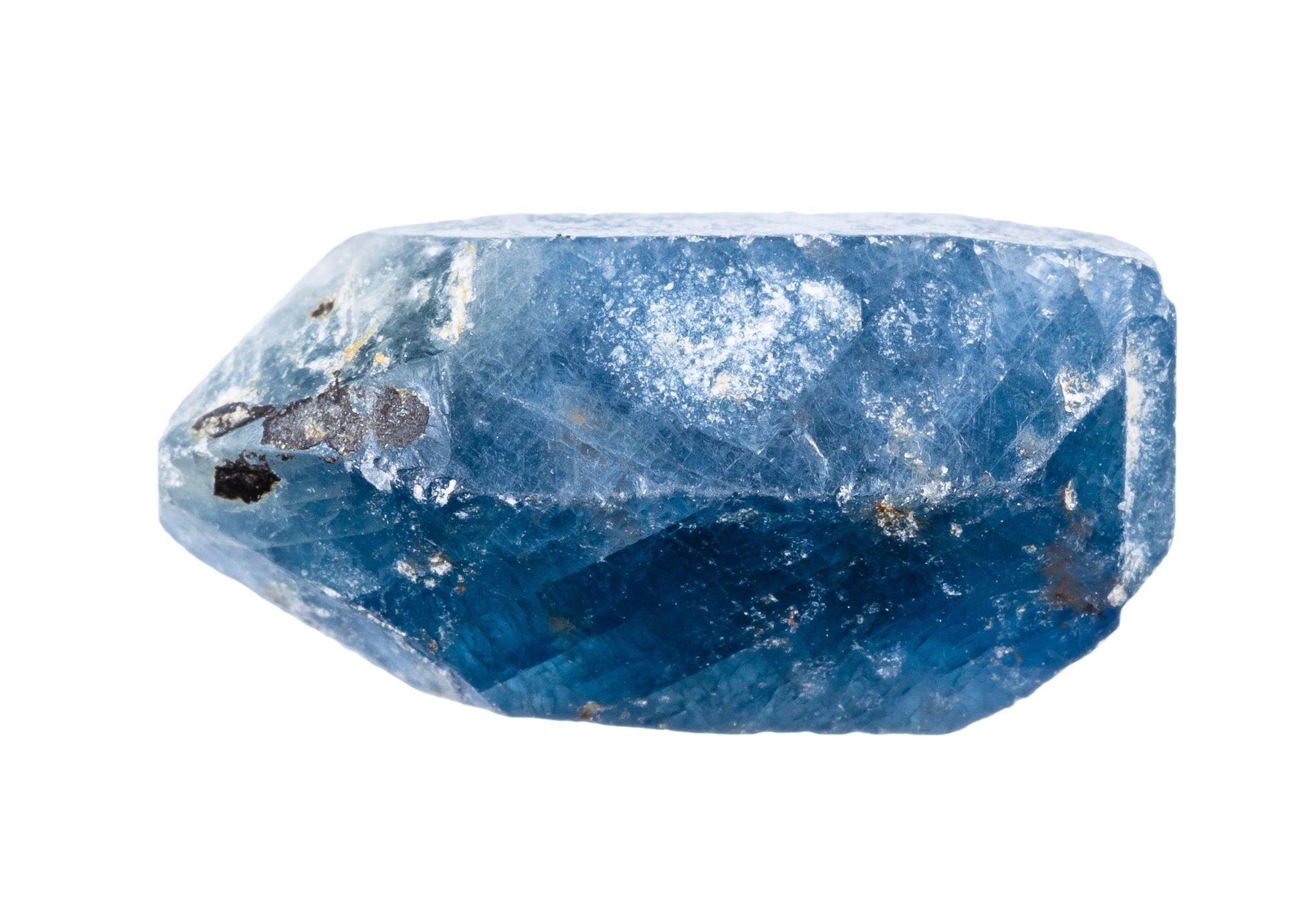
- October: opal or tourmaline
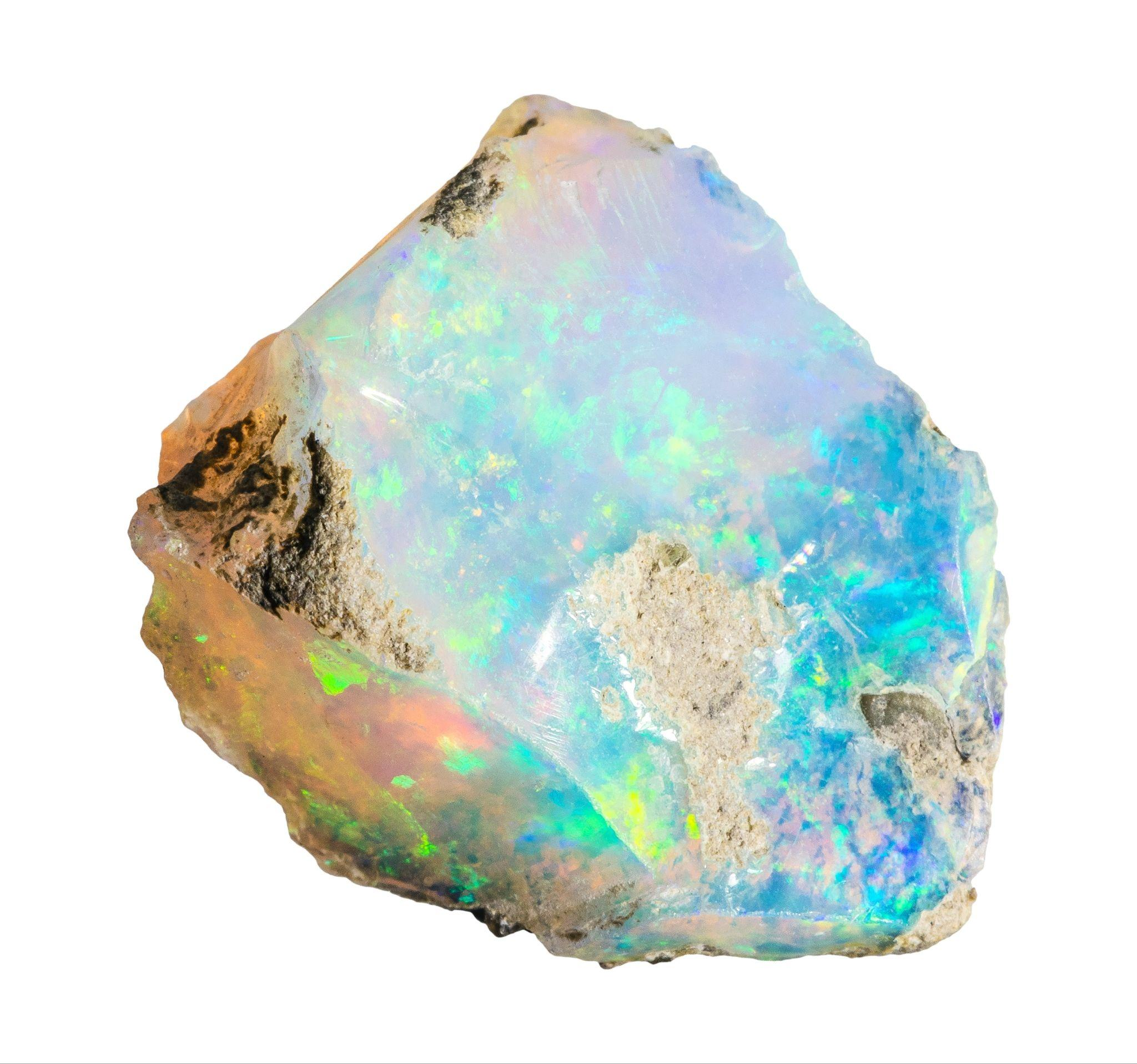
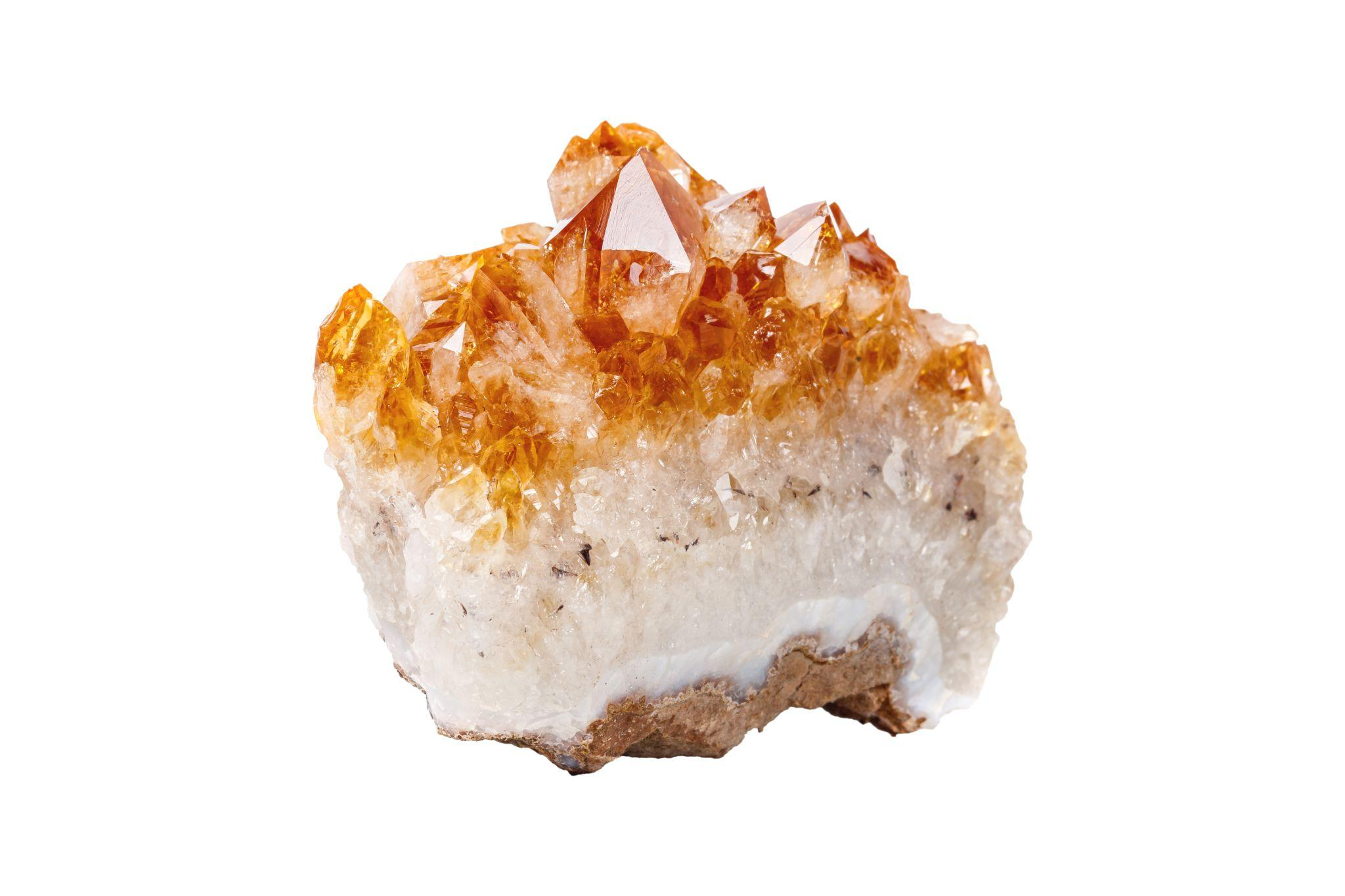
- November: citrine or topaz
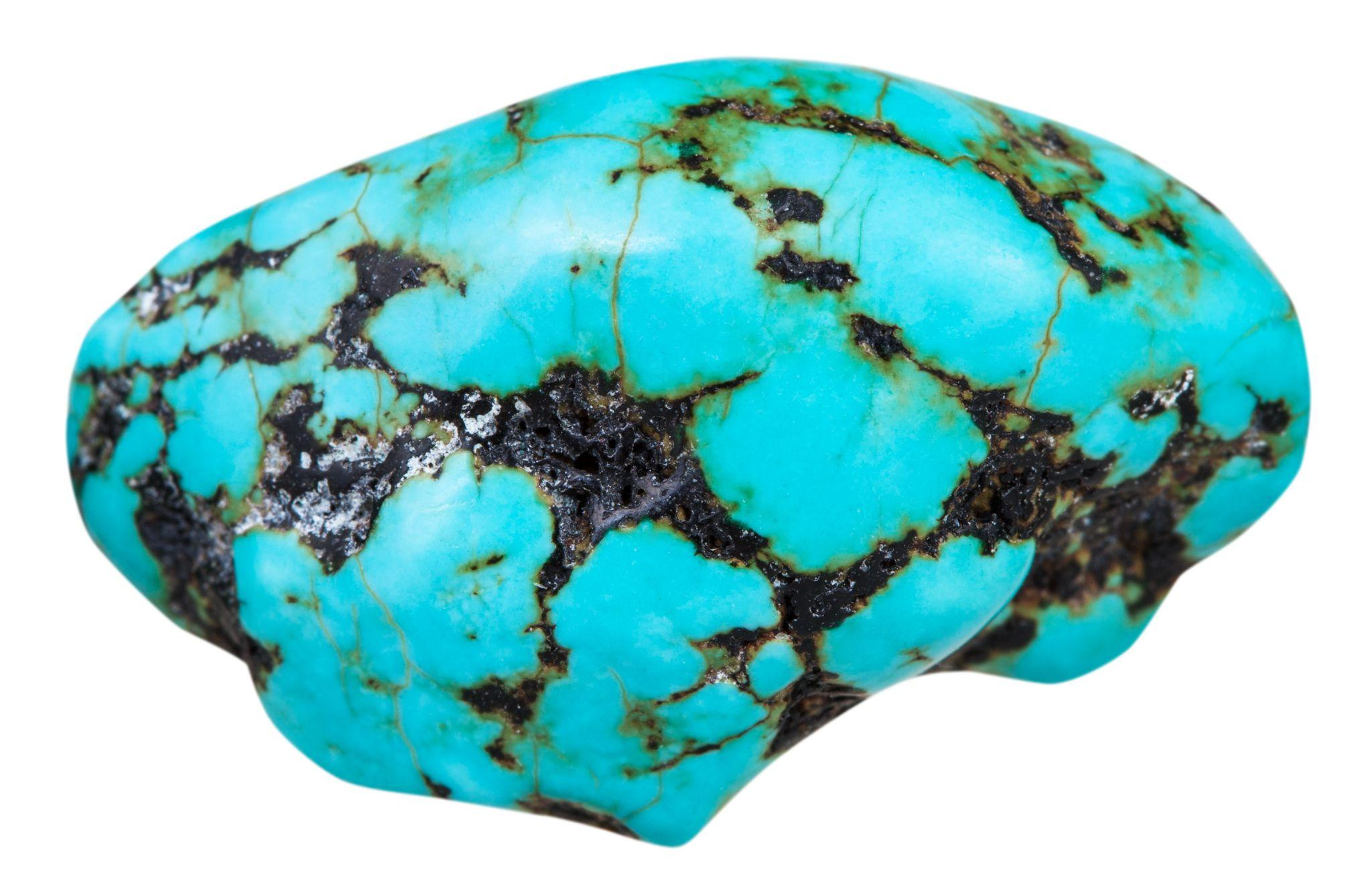
- December: turquoise, tanzanite, or zircon.
Birthstone Jewelry Ideas Across Every Form
The stone sets the mood, but the setting decides the wear. A pair of gemstone earrings reads differently depending on cut: a bezel-set stone sits close and quiet against the earlobe, while a drop with an open prong catches light with movement. A gemstone necklace or pendant worn under a collar keeps the birthstone close to the body, which is often the point of the gift in the first place.
Rings carry more weight, literally and otherwise. A gemstone fashion ring signals commitment to daily wear, since rings meet more friction than any other jewelry category. A gemstone bracelet can hold one birthstone or several, each marking a different family member rather than a single date.
Personalized Birthstone Jewelry
A mother's ring with children's birthstones in a straight row used to be the default. The format has loosened: a cluster setting, an asymmetric bezel arrangement, or a stack of individual rings worn together all accomplish the same task with more room for the wearer's own taste.
Metal choice changes how a stone reads. Warm-toned gems such as citrine or garnet gain depth against yellow gold. Cooler stones, including aquamarine and amethyst, sharpen against white gold or platinum, which keeps the color from washing out under indoor light. Rose gold suits pink and red stones, morganite especially, softening the contrast rather than sharpening it.
Meaningful Jewelry Gifts
Birthdays are the obvious occasion, but birthstone jewelry gifts extend further: a push present marking a birth month, an anniversary piece that adds a stone each year, and a graduation gift tied to the month a degree was conferred. In New Albany, Indiana, where family jewelry often passes between generations, a birthstone piece bought today is frequently the piece someone inherits decades from now.
Let Koerbers Help You Find the Right Piece
Koerbers works with clients to source, design, customize, and set birthstone jewelry built around the people it represents. Whether the goal is a single pendant or a combined family piece, stop by and let our jewelers walk you through stone selection, metal pairing, and setting options.
FAQ’s
What is the best type of birthstone jewelry to gift?
It depends on how often the recipient wants to see the stone. Necklaces and pendants keep the stone visible daily without the wear that a ring would take on. Earrings suit someone who prefers subtlety, and rings suit someone who wants the reference on their hand at all times.
Can you combine multiple birthstones into one piece of jewelry?
Yes. Cluster settings, asymmetric bezel arrangements, and multi-stone bracelets allow several birthstones to sit in one piece, whether representing children, siblings, or a couple's combined birth months.
Which metals pair best with birthstone gemstones?
Warmer stones like citrine and garnet look richest in yellow gold. Cooler stones such as aquamarine and amethyst hold their color better in white gold or platinum. Pink and red stones, including morganite, soften nicely against rose gold.
How do I care for delicate birthstone jewelry?
Store pieces separately to avoid scratching, remove jewelry before swimming or applying lotion, and have prongs checked periodically, since a loose setting is the most common cause of a lost stone. Softer gems like opal or pearl need extra care around impact and chemicals compared to harder stones like sapphire or ruby.