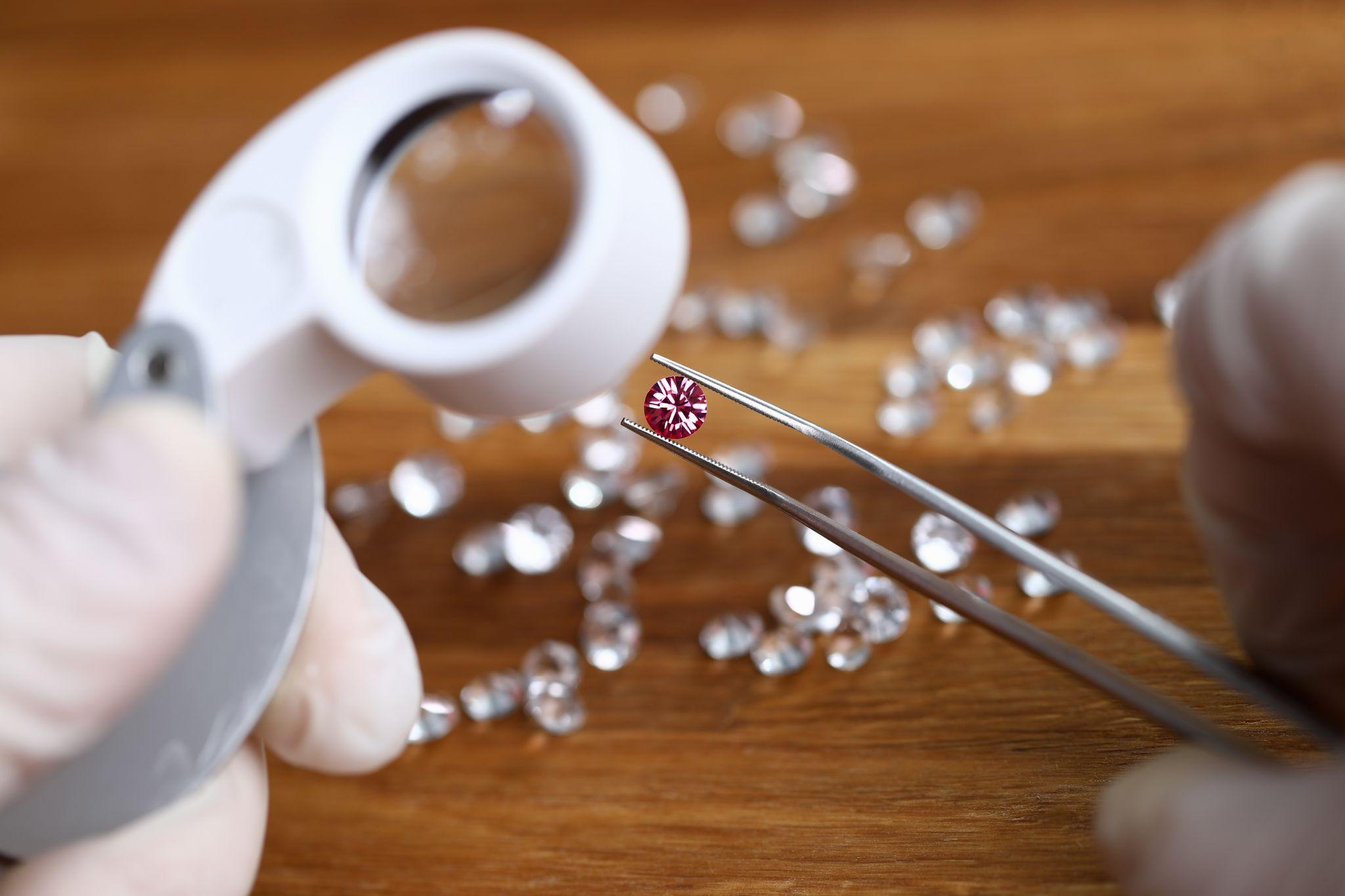
Most jewelry collections grow the way memory does: unevenly, over years, through occasions nobody planned to document. A ring inherited from a grandmother. A pair of studs bought on an anniversary that has since blurred into a dozen others. By the time a household counts what it owns, half the story behind each piece has gone soft at the edges, and so has any sense of what it is actually worth.
A proper jewelry appraisal puts a number and a narrative back where they belong. It is the difference between owning something valuable and being able to prove it, insure it, or sell it with confidence, which matters more than most people realize until the moment it is tested.
What a Jewelry Appraisal Actually Measures
An appraisal is a documented assessment of a piece's materials, construction, condition, and current market context, produced by someone trained to read all four at once. A trained eye examines metal purity, stone weight, cut quality, and clarity under magnification, then cross-references that data against present market conditions before assigning value. For pieces with history, whether a Victorian brooch or a modern engagement ring, the process at Koerber's estate jewelry collection treats provenance as part of the valuation, not an afterthought to it.
Diamond Jewelry Appraisal and the Precision It Requires
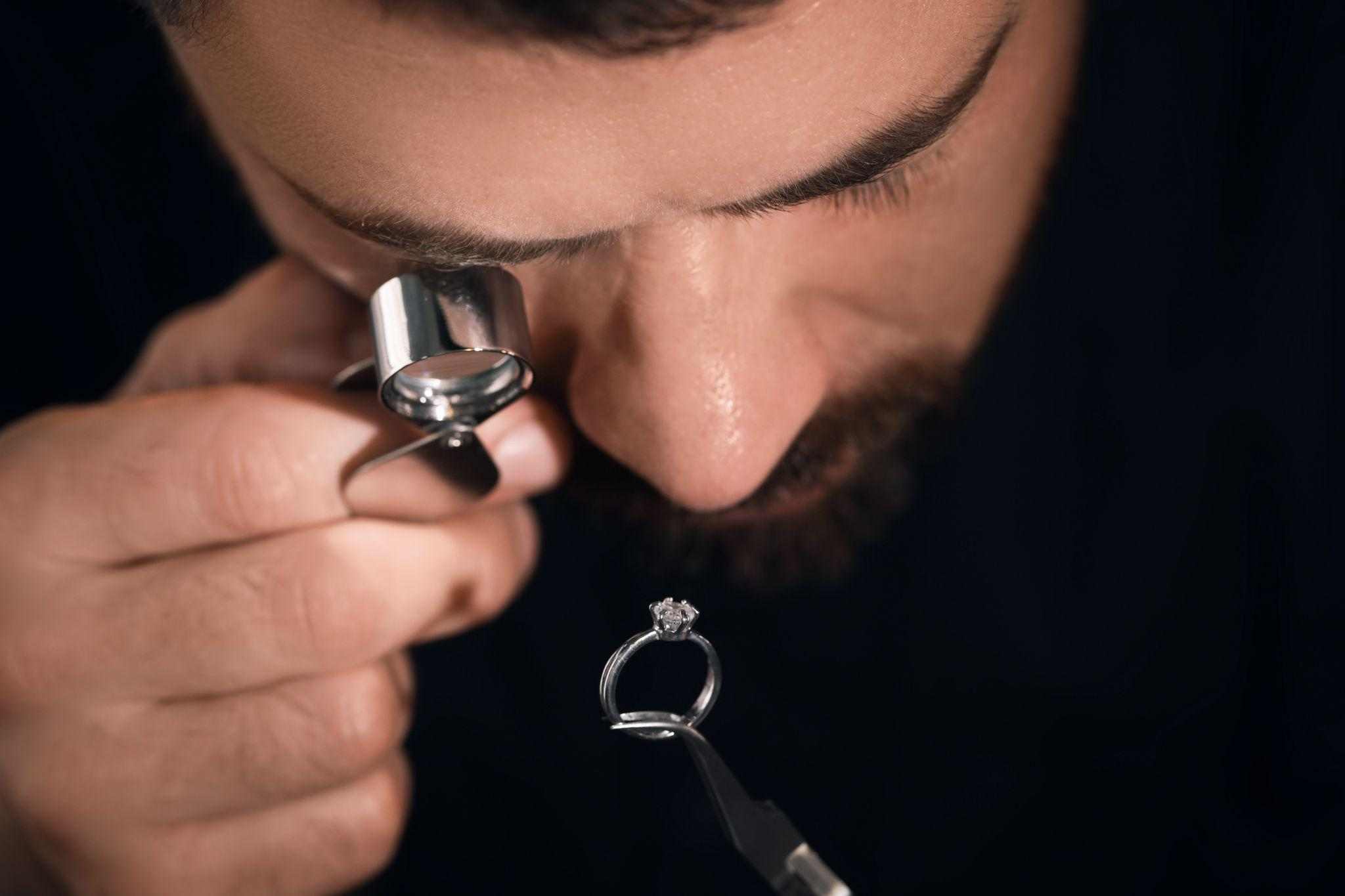
A diamond jewelry appraisal demands a different level of scrutiny than colored stone or metal valuation alone. The four Cs, carat, cut, color, and clarity, only tell part of the story. Fluorescence, symmetry, and the presence of treatments or enhancements all shift a stone's value, sometimes significantly. This is why an appraisal for an engagement ring purchased through our engagement ring selection is approached with the same rigor as one brought in from elsewhere. The certificate that results should reflect the stone in front of the appraiser, not an assumption based on its setting or its seller.
When Jewelry Appraisal Services Become Necessary
Certain moments call for jewelry appraisal services without much debate: a new insurance policy, an estate settlement, a divorce, or a piece that has not been reassessed in a decade or more. Market values for precious metals and diamonds shift, and a policy written against outdated figures leaves a gap between what is owed and what is covered. The same holds for timepieces. A collector considering a pre-owned watch selection benefits from understanding how appraisal and authentication work together to confirm both origin and worth before a transaction closes.
Insurance, Resale, and the Records That Protect a Collection
Every appraisal for jewelry produces a document, and that document has a job to do long after the appointment ends. It becomes the reference point an insurer uses to settle a claim, the figure a family relies on when dividing an estate, and the baseline for anyone weighing whether to sell or trade jewelry rather than keep it. Floyd County residents who treat appraisal as routine maintenance, rather than a one-time formality, tend to be the ones whose paperwork actually holds up when it matters.
Protect What You Own
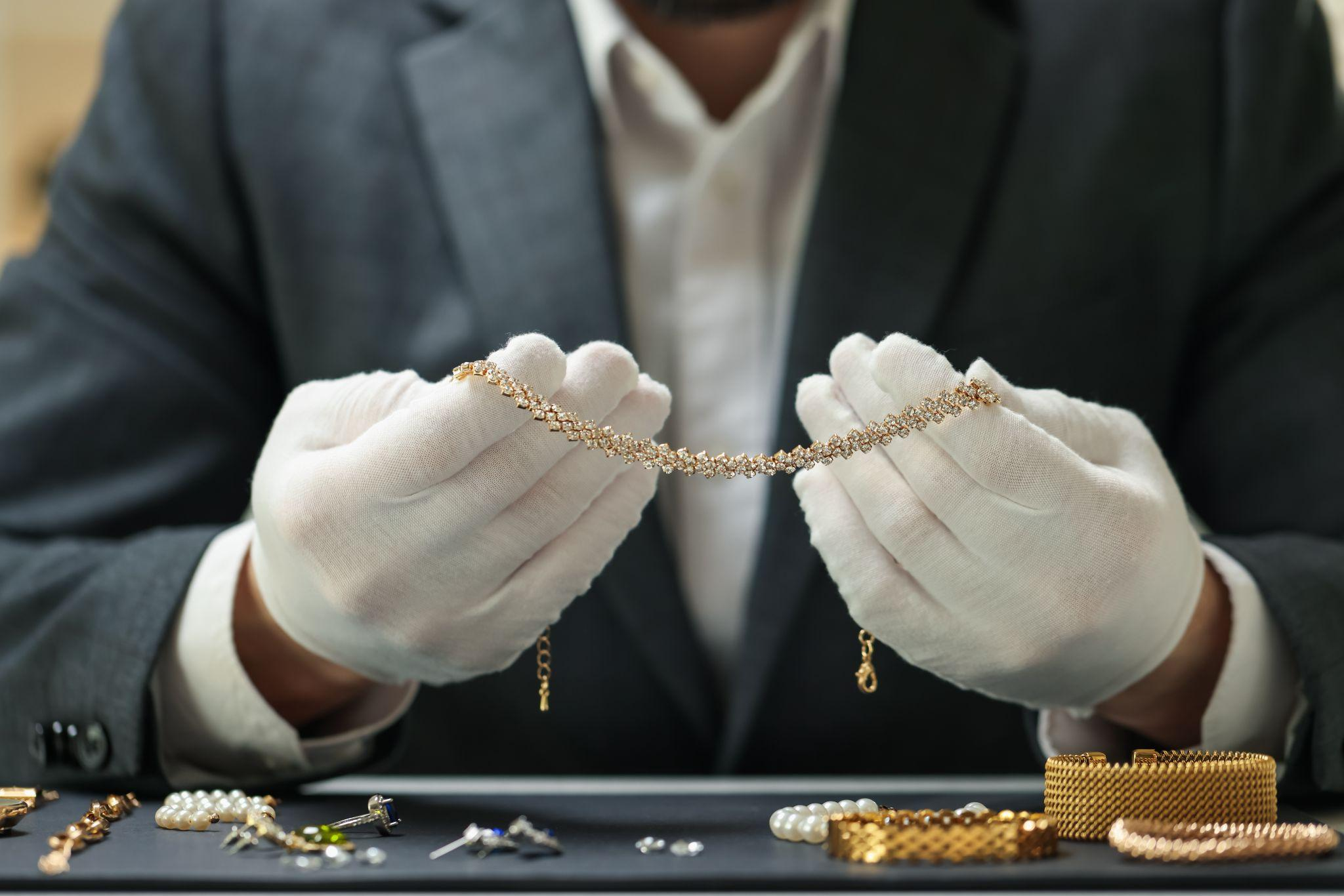
Koerber's Fine Jewelry has spent nearly three decades earning the trust of Floyd County families who want their jewelry valued honestly and documented properly. Whether the piece in question is a diamond solitaire, an inherited brooch, or a watch bought secondhand, the team at Koerber's appraisal services brings the credentials and the patience to get it right. Schedule an appraisal appointment and put real numbers behind what your collection is worth.
FAQs
How often should I have my jewelry appraised?
Every two to three years is standard, though pieces with significant diamonds or precious metals may warrant more frequent review given how market values shift over time.
What documents do I need to bring for a jewelry appraisal?
Prior appraisal certificates, original purchase receipts, and any grading reports from labs like GIA are helpful, though a piece can still be appraised without them.
What is the difference between an insurance appraisal and a fair market value appraisal?
An insurance appraisal reflects replacement cost, typically higher, while a fair market value appraisal reflects what a piece would sell for between a willing buyer and seller, used for estates and donations.
Does a jewelry appraisal determine the resale value of my pieces?
Not directly. Appraisals establish a documented value for insurance or legal purposes, while resale value depends on buyer demand and current market conditions at the time of sale.
How long does a professional jewelry appraisal process take?
Most single pieces can be appraised in under an hour, though complex or antique items with intricate settings may require additional research time.